 Get Second Opinion
 Ask Doctor
 Digital Visiting Card
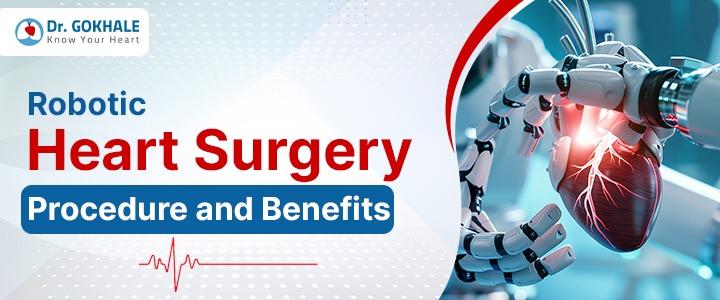
For many people, heart surgery still brings up a very specific image. A large incision, a long hospital stay, and a slow return to normal life. That picture has stayed the same for years. Now, there is another way to look at it.
In certain cases, doctors use a different approach that relies on smaller openings and controlled movements. This is where the discussion around robotic heart surgery procedure usually begins, often after patients start exploring alternatives. It sounds advanced, but the intent behind it is quite practical.
How The Procedure Is Actually Carried Out
The process does not remove the surgeon from the equation. It changes how the work is done. A few small incisions are made in the chest area. Through these, instruments and a camera are introduced. The surgeon operates from a nearby console, guiding each movement with precision.
The system translates hand movements into smaller, controlled actions inside the body. The visual feed is magnified, which helps in working within tight spaces. In some situations, this technique is used for procedures like robot-assisted bypass surgery, where accuracy matters at every step.
What Patients Notice After Surgery
The difference is often felt more after the procedure than during it. Patients tend to experience less discomfort around the incision area. Movement feels easier sooner than expected. The time spent in the hospital is usually shorter, which changes how recovery is experienced.
This is why conversations around robotic heart surgery benefits often focus on recovery rather than the surgery itself. It is not about avoiding surgery. It is about reducing the strain it places on the body.
Looking At The Practical Advantages
There are a few reasons why this method is being considered more often.
- Smaller openings reduce physical disruption
- Blood loss during surgery may be lower
- The risk of infection can be comparatively reduced
- Recovery timelines are often shorter
These are commonly described as the advantages of robotic cardiac surgery, though they depend on how suitable the patient is for this method. The technology supports the process, but the outcome still depends on careful planning and execution.
Not Every Case Follows The Same Path
It is important to understand that this option is not suitable for everyone. The choice depends on the condition being treated, the patient’s medical history, and how the heart is responding overall. Some cases are better managed with traditional methods, while others may benefit from a minimally invasive approach.
This is the precise reason why people often prefer to collaborate with a robotic heart surgery specialist to effectively understand what fits their situation [rather than choosing a method on their own].
Recovery Still Needs Attention
Even with a less invasive approach, recovery does not happen automatically. Patients are usually advised to follow structured plans that include gradual activity, regular follow-ups, and lifestyle adjustments. The difference is that the body has less external trauma to deal with, which can make the process smoother. It still requires effort. It just feels more manageable.
Making Sense Of The Options
Choosing a surgical approach is rarely a simple decision. It involves understanding what is possible and what is appropriate.
Some people are constantly on the hunt for the best robotic surgeon in Hyderabad to explore this option further. Others discuss it directly with their doctor once surgery is advised.
However, what matters is the most is clarity. Knowing why a certain approach is recommended makes the decision easier to accept.
A Balanced Way To Think About It
Robotic heart surgery is not a replacement for traditional methods. It is an additional way of approaching certain procedures with a focus on precision and recovery.
For those looking at advanced cardiac care, experienced teams such as those led by Dr Gokhale continue to combine established surgical practice with evolving techniques, keeping patient outcomes at the centre of every decision