 Get Second Opinion
 Ask Doctor
 Digital Visiting Card
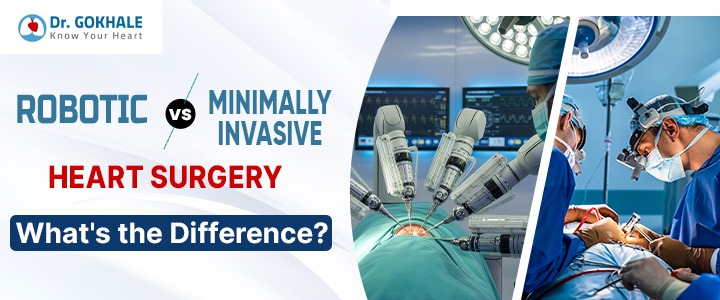
Heart surgery has changed a lot over the years. Gone are the days when every procedure required a large chest incision and a long recovery period. Today, patients have access to advanced techniques that focus on smaller incisions, less pain, and a quicker return to daily life. Even then, many people still ask, “What is the difference between robotic and minimally invasive heart surgery?” If you have been wondering the same thing, you have come to the right place.
The misunderstanding is reasonable since both procedures do not involve the huge incision that is employed in traditional surgery. Nevertheless, they are not precisely identical. Being aware of their differences can assist you in having a better conversation with your heart specialist before deciding on a treatment option.
What Is Minimally Invasive Heart Surgery?
Minimally invasive heart surgery in Hyderabad refers to heart procedures performed through small incisions between the ribs instead of opening the breastbone. The surgeon operates using specialized instruments while carefully reaching the affected area of the heart.
This procedure is usually advised in the case of selected valve surgeries, coronary artery surgeries, and some congenital heart diseases. The incision is significantly smaller, which means that many patients feel less pain, less blood loss, and spend less time in the hospital than with the traditional open-heart surgery.
Still, not every patient is suitable for this approach. Your heart condition, overall health, and medical history all play a part in deciding whether this option is appropriate.
What Is Robotic Heart Surgery?
When people compare Robotic vs Minimally Invasive Heart Surgery, they often assume robotic surgery is a completely different procedure. In reality, robotic heart surgery is a specialized form of minimally invasive surgery.
During robotic surgery, the surgeon controls robotic arms from a dedicated console. These robotic instruments do not work on their own. Every movement is directed by the surgeon with exceptional precision while viewing the surgical area in high-definition, magnified 3D vision.
This approach can offer greater accuracy for carefully selected procedures, particularly when operating within small spaces around the heart.
How Are They Different?
The easiest way to understand the difference is to look at how the surgery is performed.
In standard minimally invasive surgery, the surgeon directly handles specialized surgical instruments through small incisions.
In robotic surgery, the surgeon controls robotic instruments that translate hand movements into highly precise actions.
Both techniques aim to reduce trauma to the body. The main distinction lies in the surgical technology used during the operation rather than the size of the incision itself.
Which Option Is Better?
There is no single answer that fits every patient. The right choice depends on several factors, including:
- The type and severity of your heart condition.
- Your age and overall health.
- Previous surgeries, if any.
- The complexity of the procedure is required.
- The surgeon’s experience with advanced cardiac procedures.
This is why choosing an experienced minimal access heart surgeon in Hyderabad is just as important as selecting the surgical technique itself.
Choosing the Right Surgeon Matters
Advanced technology is only one part of successful heart surgery. Careful patient evaluation, proper surgical planning, and years of experience are equally important. If you are looking for a trusted Robotic heart surgeon in Hyderabad, consulting a specialist who performs both robotic and minimally invasive procedures allows you to receive advice based on your specific medical condition rather than a one-size-fits-all approach.
The Final Word
In the case of Robotic vs Minimally Invasive Heart Surgery, the aim is not to find out which one is universally superior. The actual goal is to find the method that will provide the most appropriate and safe result for your personal situation. Dr Gokhale offers patients expert advice and high-quality cardiac services, including personalized treatment plans supported by a long history of experience in minimally invasive and robotic heart surgery.