 Get Second Opinion
 Ask Doctor
 Digital Visiting Card
Recovering from heart surgery is a journey, and one unexpected detour many patients face is low blood pressure after open heart surgery. Particularly after a major procedure like CABG (coronary artery bypass grafting), this issue can cause concern for both patients and caregivers. If you’ve noticed low blood pressure symptoms post-surgery, it’s important to understand the causes, risks, and when to seek help. With guidance from experts like Dr. Gokhale, a leading cardiologist, you can navigate this phase safely.
Low Blood Pressure After CABG – Why It Happens
It is important to note that low blood pressure is more frequent than people think after CABG. As with any other body organ, the liver also experiences stress during and after surgery. Some of the causes of low blood pressure include the use of medications, changes in body position, anaesthesia, and blood loss.
Sometimes, this is only short-term and goes away as your body regulates itself. However, low diastolic blood pressure after CABG, if sustained, can have an impact on the function of organs and prolong the period of rehabilitation. That is why constant supervision is required in the days after the operation.
Recognising Low Blood Pressure Symptoms
Some of them are mild, while others are severe and may cause a lot of concern. Some of the signs that may be associated with the condition include fatigue, dizziness, blurred vision, and fainting spells. Patients may also feel cold, weak, or confused.
It is not just fatigue; these are symptoms that your heart and brain may not be receiving an adequate blood supply. These can be identified early, hence early intervention can be made. If you experience any of these low blood pressure symptoms, it is high time you consult your care provider. The following are some of the causes of low blood pressure after heart surgery:
- Medication side effects (especially beta-blockers and diuretics)
- Fluid or blood loss during surgery
- Heart rhythm issues or reduced cardiac output
- Infections or internal inflammation
- Poor post-operative nutrition or dehydration
Monitoring is key. Selecting the best health facility for top blood pressure testing services in Jubilee Hills in Hyderabad will help in the early detection and correction of the problem, hence making the patient comfortable during the recovery period.
Low blood pressure can be managed and treated
In order to opt for low blood pressure treatment in Jubilee Hills, one has to first determine the cause of the condition. Management may require changing the doses of the drugs, increasing the intake of fluids, or using certain drugs to increase blood pressure in a controlled manner.
In some cases, dietary changes or physiotherapy may also be part of the treatment plan that is to be followed. Each patient is unique and requires an individual approach, which is why it is crucial to pay attention to this aspect.
Consult with a Trusted Expert
Recovery after heart surgery is not just about lying low. It is about the right doctors. Dr. Gokhale, cardiologist, is a specialist in his field and is very friendly and caring towards his patients in Hyderabad.
Whether it is managing low blood pressure after CABG or searching for the best blood pressure check-up in Jubilee Hills, Hyderabad, his advice helps to keep the recovery process on track. For the best and specialised treatment of your heart, Dr. Gokhale is one of the best cardiologists to approach.
Low Blood Pressure After Heart Surgery
Low blood pressure after heart surgery is not rare. It can delay recovery and complicate the healing process. Some patients may feel weak. Others might not show any visible signs, even if their blood pressure is dangerously low.
Understanding the causes, symptoms and treatment methods can help people manage this condition effectively after procedures like bypass surgery. It is important to remember that every patient reacts differently, but early awareness often improves outcomes.
The Primary Causes Of Low Blood Pressure Post-CABG
After a coronary artery bypass graft, the body goes through several changes. The heart, lungs and blood vessels need time to adjust. A common reason for low blood pressure after CABG is blood loss during or after the operation. Even minor internal bleeding can affect circulation. Fluid shifts also play a role. The body may hold on to less fluid, which lowers the overall volume
in the bloodstream.
Another factor is the effect of anaesthesia. It can reduce the tone of the blood vessels. This means the vessels stay too relaxed, which lowers blood pressure. The heart may also pump less forcefully during the first few hours or days after surgery. In some cases, certain medicines used during recovery may lead to temporary dips in pressure.
Symptoms And Treatment Of Low Blood Pressure After Surgery
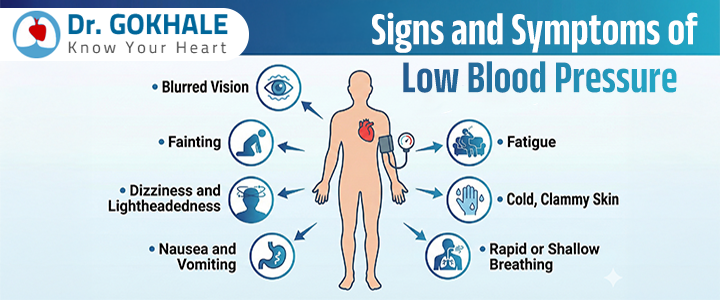
Many people associate low blood pressure with fatigue or dizziness. These are common low blood pressure symptoms, but others exist. Some patients may feel faint when they stand up. Others may have blurred vision or cold hands and feet. When pressure falls too low, it reduces blood flow to organs. That can affect kidney function or even mental clarity.
Treatment starts with identifying the cause. If a patient has lost blood, a transfusion might be necessary. If dehydration is present, fluids are given through a vein. If medicines are the problem, the dosage might be changed. In serious cases, the patient may need support in an intensive care unit. Access to low blood pressure treatment in Jubilee Hills can ensure early
detection and careful management.
Heart Surgery Recovery Tips
After surgery, people need structure and support. Sitting upright, walking short distances and breathing exercises all help restore circulation. Eating light meals and drinking water can also
stabilise pressure. Patients must track their symptoms and tell their doctor about any unusual sensations. Recovery is never a straight line. But steady effort helps.
Patients should avoid lifting weight or standing for long periods during the first few weeks. They must follow every instruction in their discharge notes. If there is any return of dizziness, or if blood pressure drops suddenly, help should be sought right away.
Blood Pressure Medication Side Effects After Heart Surgery
Not all pressure changes come from the surgery itself. Some are caused by the medicines given afterwards. Beta blockers and diuretics are often prescribed. They help the heart but can reduce blood pressure too much in some people. Close monitoring is essential. The top blood pressure testing services in Jubilee Hills Hyderabad offer regular check-ups for patients in
recovery.
Hypotension After Cardiac Surgery
Low blood pressure is also known as hypotension. It needs careful attention. When the lower value in a reading drops, doctors call it low diastolic blood pressure after CABG. This condition can reduce the supply of oxygen-rich blood to the organs. Monitoring these readings daily is an important part of recovery.
Cardiac Output And Blood Pressure Post-Operation
Cardiac output is the amount of blood the heart pumps every minute. This output may be lower than normal [especially after surgery]. A weaker heart muscle, temporary swelling or medicine effects can all reduce output. This drop can bring down blood pressure. Doctors work to balance fluids, oxygen and medication to correct the issue. A detailed assessment helps rule out
heart dysfunction.
Patients recovering from heart surgery may face many challenges. Low blood pressure is one of them. It can be caused by fluid loss, anaesthesia, medicine or the surgery itself. Recognising the early signs helps. Following the right steps in recovery, including therapy and routine monitoring, supports long-term healing. Expert care from professionals like Dr Gokhale Cardiologist can guide the process and reduce risk.