 Get Second Opinion
 Ask Doctor
 Digital Visiting Card
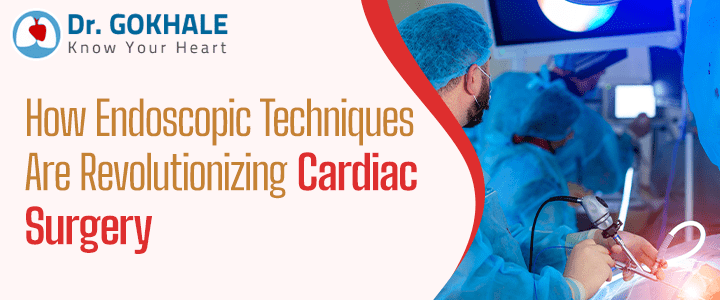
Cardiac surgery has changed in remarkable ways. Today, the cuts are smaller, the pain is less, and the recovery is faster. What once required weeks in the hospital can now be managed with quicker healing. This transformation is possible because of advanced endoscopic techniques. Instead of large openings, surgeons now rely on cameras and fine instruments, making the difference very clear.
What Are Endoscopic Techniques in Cardiology?
Endoscopic techniques in cardiology use thin tubes fitted with cameras and surgical tools. These instruments enter through tiny cuts in the chest, allowing the surgeon to see everything on a screen. Instead of opening the chest fully, the doctor performs the entire procedure from outside the body.
Although the process may look simple, it demands precision and years of training. Today, doctors use this method for heart valve repairs, closing small heart holes, removing growths, and even assisting in bypass surgeries.
How is Endoscopy Used in Heart Surgery?
During surgery, the camera enters through a small port in the chest wall, while other instruments are inserted alongside it. The screen provides a clear view of the heart, enabling the surgeon to cut, stitch, and correct issues with high accuracy.
For example, in mitral valve repair, the surgeon fixes the valve without lifting the rib cage. In septal defect closures, the hole is located and sealed without disturbing nearby tissues. Thus, the entire surgery is performed with minimal openings and maximum precision.
Why Choose Endoscopic Techniques for Heart Procedures?
Patients often choose endoscopic methods for very practical reasons. Smaller cuts mean faster healing, less pain, and a reduced risk of infection. Recovery is smoother, blood loss is lower, and many patients can leave the hospital within days.
Key benefits include:
Less trauma to the chest
Clearer surgical view
Smaller scar
Quicker return to work
Fewer complications during recovery
Older patients or those with additional health concerns benefit even more because their bodies recover faster with minimally invasive surgery.
How is Robotic-Assisted Cardiac Surgery Done?
Robotic-assisted surgery represents the next level of endoscopic techniques. In this approach, robotic arms hold and move the surgical tools. The surgeon controls every movement from a nearby console. Importantly, the robot never acts on its own—every action reflects the surgeon’s commands.
This system provides a 3D view of the heart. The robotic arms replicate hand movements without tremors, ensuring steady and precise control. Because the tools are smaller and finer than human hands, they disturb less tissue and promote faster recovery.
Best Heart Transplant Surgeon in Hyderabad
The best heart transplant surgeon in Hyderabad is not only skilled in surgery but also excels in planning, communication, and patient care. A successful transplant requires coordination with a large team, including experts in anaesthesia, infection control, critical care, and rehabilitation.
Experienced surgeons also adopt modern methods such as robotic support or endoscopic tools for certain transplant stages. These techniques reduce strain on the patient and speed up recovery.
If you are searching for a transplant surgeon, check their experience, hospital setup, and success rates. Make sure they have access to advanced technology and strong support systems. In some cases, endoscopy can even assist during transplant preparation or follow-up procedures, helping patients recover more quickly.
Endoscopic tools are transforming the way heart surgery is performed. They make procedures less painful and recovery much smoother, while maintaining excellent success rates. Adding robotic assistance brings even greater precision and control.
For patients in Hyderabad, advanced hospitals and skilled surgeons offer these modern options. The key is to seek advice early, understand your treatment choices, and trust a team with proven expertise. After all, your heart deserves the best care.