 Get Second Opinion
 Ask Doctor
 Digital Visiting Card
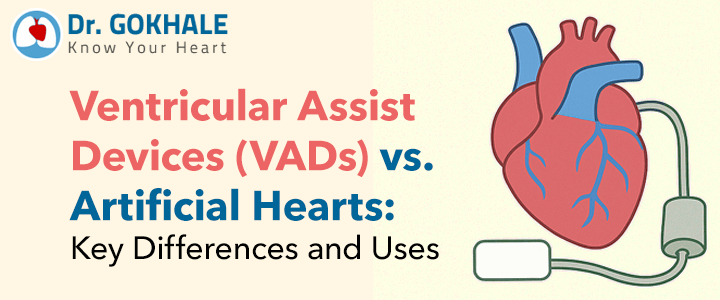
Heart failure changes how the body functions. It affects how blood reaches organs. When the heart cannot pump enough blood, support devices may be needed. Two common choices are ventricular assist devices and artificial hearts. These are used in advanced heart failure treatment. Each one works in a different way.
What Is a Ventricular Assist Device
A ventricular assist device helps the lower chambers of the heart move blood. It does not replace the heart. It supports the natural rhythm. Most patients get a left-sided VAD, which helps the left ventricle pump blood to the body. This is often part of a plan before a full transplant. It is also used for long-term support in some cases.
What Is an Artificial Heart
An artificial heart is a full heart replacement. It takes over the job of both ventricles. It is used when both sides of the heart stop working. It replaces the natural heart. This is done only when no other option is left. It is often used for people waiting for a heart transplant who cannot be supported by a VAD.
Ventricular Assist Devices vs Artificial Hearts
The key difference is that VAD supports the heart while the artificial heart replaces it. VAD connects to the original heart. The artificial heart removes the heart and puts a new mechanical pump in its place. These devices are chosen based on how much of the heart has failed. The question of ventricular assist devices vs artificial hearts is answered by checking the heart’s function and future plan for transplant.
Patients with advanced heart failure treatment needs are tested first. A person may be eligible if they are too weak for a transplant right now but may qualify later. Others need the device as a long-term solution. Doctors check age, kidney function, lung capacity, and overall health. The question of who is eligible for a VAD or artificial heart? It is answered only after full tests and reviews.
How Long Can a Person Live with a VAD
Some patients live for years with a VAD. The average depends on how well the body adjusts and what caused the heart failure. People who follow all care steps and attend regular check-ups do better. If you ask how long a person can live with a VAD, the answer changes from person to person. It is not fixed.
What Are the Risks of VAD and Artificial Heart Surgery?
Like any major surgery, there are risks. Some common ones include infection near the device, bleeding after surgery, and blood clots. There may also be issues with how the device connects to the body. The risk also depends on how early or late the surgery is done. Ask your doctor what are the risks of VAD and artificial heart surgery? before you make any decision.
VAD Implantation Surgery: What It Involves
The chest is opened under general anaesthesia. The VAD is placed in or near the heart. A cable runs through the skin to a small controller outside. You will stay in the hospital for recovery and training. VAD implantation surgery takes a few hours. A full team monitors the process and helps with recovery.
Recovery and Care After Surgery
Recovery includes staying active, eating carefully, and checking the device. You will need regular visits. The care team watches for signs of infection or weakness. People with VADs can often return to daily tasks. Some even return to work. It depends on how the body heals and how much heart function improves.
The VADs and artificial hearts have their place to play in the treatment of advanced heart failure. The choice between the two needs must be well tested and planned. Contact Dr Gopalakrishna Gokhale to get professional advice on the surgery of VAD implantation and the use of devices to support the heart. He is a heart care specialist who imparts deep knowledge to the patients and helps them make good decisions that can improve their quality of life.