 Get Second Opinion
 Ask Doctor
 Digital Visiting Card
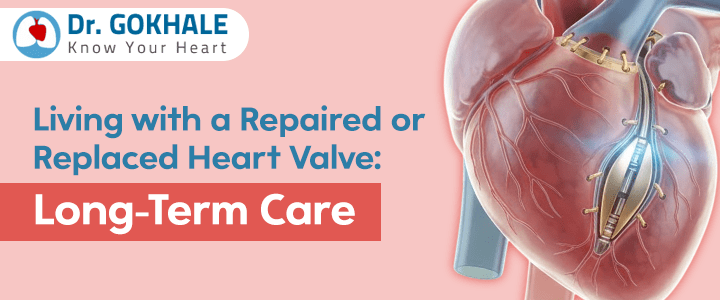
The recovery process starts after the heart valve is repaired or replaced. The question that people frequently present is “How long does it take to recover from heart valve repair?” The solution lies in the approach taken as well as your own health status and your post-surgery lifestyle. Minimally invasive heart valve surgery is beneficial to many patients as it has smaller incisions and less time in the hospital.
The First Few Weeks Are Crucial for Stability
You may feel eager to return to your daily life after discharge. Even after a successful minimally invasive mitral valve repair your body needs time to adapt. You must avoid physical strain along with sudden changes in routine. Follow-up appointments form the base of heart valve repair long-term care. These visits allow the doctor to track your healing process and prevent further complications.
Ongoing Monitoring Keeps You Ahead of Risks
Living with a repaired valve requires regular follow-up testing and medical supervision. This often includes blood tests along with imaging scans and physical checks. You may not feel discomfort but heart valve issues can remain silent until they escalate. Staying consistent with appointments is key to long-term safety.
Know How to Manage Medication After Heart Valve Repair
One of the most common concerns people share is how to manage medication after heart valve repair. Your doctor may prescribe blood thinners along with other heart-related medicines depending on your case. Always take them on time and never stop without approval. Missing even a single dose can affect your recovery or increase future risk.
Diet Sleep, and Activity Must Work Together
You need to adhere to a plan that will not harm your heart but maintain your energy levels at a normal level. Consume home-cooked food that is low in salt, fresh fruits, and whole grains. Go to bed and get up at the right time. Begin with walking or breathing exercises and do not overdo them until your specialist clears them. All these combined enhance the long-term care outcomes of heart valve repair.
Minimally Invasive Heart Valve Surgery Has Its Own Benefits
Patients who undergo minimally invasive heart valve surgery often recover faster compared to those with open-heart procedures. Still, the long-term care instructions remain the same. Even if you had a minimally invasive mitral valve repair, the effort required after surgery does not change. You still need medical advice, regular testing, and complete awareness of your health status.
Recognising Trouble Early Saves Lives
Sometimes people ignore warning signs because they seem minor or temporary. You must never delay care if you feel new pain, tightness, or breathlessness. Irregular heartbeat or sudden weight gain can also signal internal problems. These could occur weeks or months after minimally invasive heart valve surgery. You must act fast and consult your doctor without hesitation.
Stay Informed and Involved in Your Heart Health
Long-term care after valve repair involves more than medicines and reports. Ask clear questions during appointments and keep your medical records safe and updated. Knowing the type of procedure you had, whether it was a minimally invasive mitral valve repair or another method, helps you make better choices in future.
In order to lead a good life after having surgery on your heart valves, you need to have a well-organised schedule that helps your heart work every day. In case you have any doubts regarding the time taken to recover after heart valve repair or how to take medication after heart valve repair, you can refer to Dr Gokhale, a heart specialist who can provide you with reliable care and advice that will help you in the long term.